

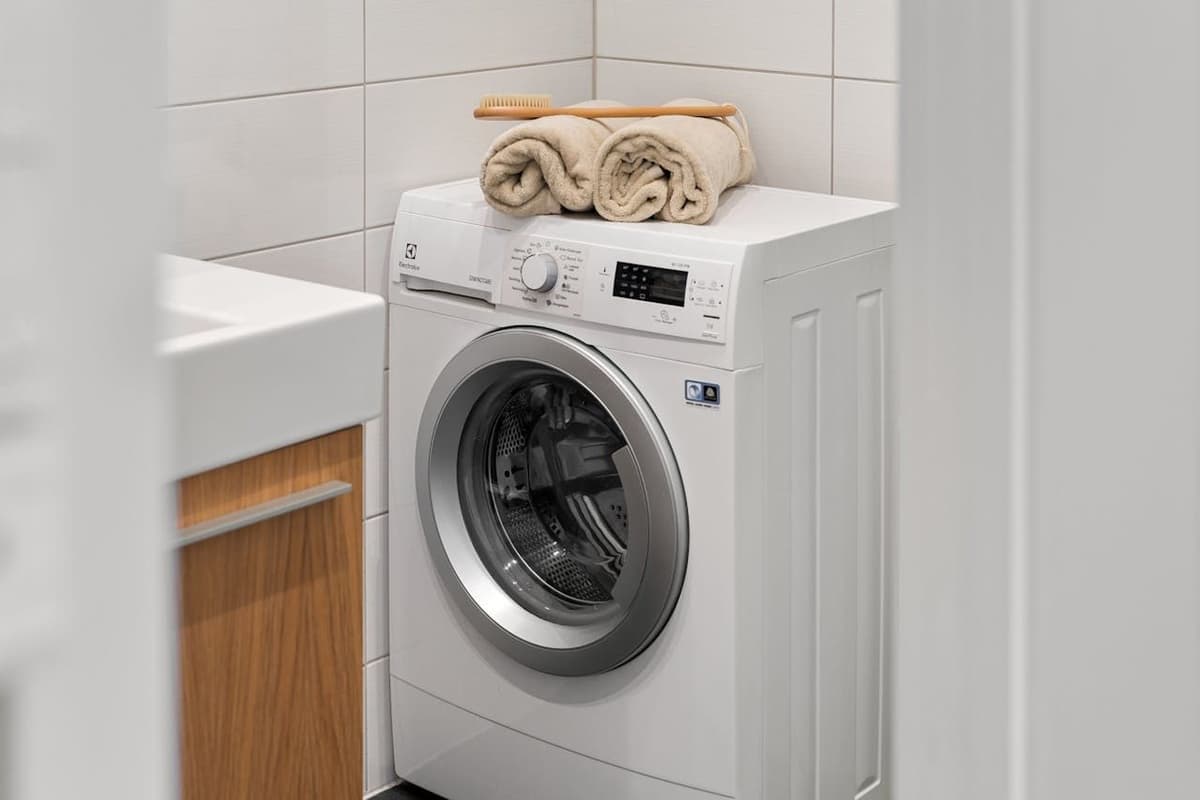
A clean washing machine is essential for keeping your clothes fresh and your appliance running efficiently. You might think that because washing machines are constantly filled with soap and water, they clean themselves. Unfortunately, that's not the case. Detergent residues, fabric softeners, and mineral deposits from hard water can build up over time, leading to odors, mold, and less effective washing. Don’t worry, though. Cleaning your washing machine is easier than you might think. Let’s dive into the step-by-step process to keep your washing machine in tip-top shape.
Why You Need to Clean Your Washing Machine
Before we get into the how-to, let's talk about the why. Cleaning your washing machine is crucial for several reasons:
Eliminating Odors: Soap scum, dirt, and mildew can cause your washer to smell unpleasant, which can transfer to your clothes.
Improving Efficiency: A clean machine runs more efficiently, saving you money on your energy bills and prolonging the life of the appliance.
Preventing Mold and Bacteria: Moisture left in the machine can lead to mold and bacteria growth, which can be harmful to your health.
Better Washing Results: A clean machine ensures that your clothes are getting properly cleaned, free from any residues that might otherwise stick to them.
What You’ll Need
Here’s a list of items you’ll need to clean your washing machine:
White vinegar
Baking soda
A sponge or cleaning cloth
An old toothbrush
Liquid dish soap
A microfiber cloth
Gloves (optional, but recommended)
A bucket or basin (for soaking removable parts)
Cotton swabs (for tight spots)
A small brush or old toothbrush (for detailed cleaning)
Cleaning a Top-Loading Washing Machine
Step 1: Clean the Exterior
Start with the exterior of the washing machine. Mix a solution of equal parts water and white vinegar in a spray bottle. Spray the outside of the machine and wipe it down with a microfiber cloth. Pay special attention to the control panel and any buttons, as these can accumulate grime from daily use.
Step 2: Clean the Drum
Set your washer to the hottest and largest load setting. Add four cups of white vinegar to the drum and let it fill. Vinegar is a natural cleaner that helps dissolve detergent residue and hard water deposits.
Once the drum is full, pause the cycle and let the vinegar solution sit for an hour. This soak will help break down any buildup. After an hour, restart the cycle and let it complete.
Step 3: Scrub Inside the Drum
After the vinegar cycle, sprinkle a cup of baking soda directly into the drum. Run a hot water cycle again. Baking soda is excellent for scrubbing away any remaining residue and deodorizing the machine.
Step 4: Clean the Dispensers and Agitator
Remove any detergent dispensers or fabric softener compartments and soak them in a mixture of warm water and dish soap. Use an old toothbrush to scrub away any gunk or buildup. If your machine has an agitator (the central column in top-loaders), clean around and under it with the toothbrush and a mixture of baking soda and water.
Step 5: Wipe Down the Drum
Once the second cycle is complete, use a damp microfiber cloth to wipe down the inside of the drum. This removes any leftover baking soda or vinegar residue.
Cleaning a Front-Loading Washing Machine
Step 1: Clean the Door Seal
Front-loading washers are notorious for mold and mildew buildup around the door seal. Start by wiping down the rubber gasket with a damp cloth. Mix a solution of equal parts water and white vinegar, and use an old toothbrush to scrub away any mold or mildew. Be thorough, as these areas can trap a lot of grime.
Step 2: Clean the Drum
Add two cups of white vinegar to the detergent dispenser and run the washer on the hottest and longest cycle available. This helps to break down any detergent residue and kills mold and mildew.
Step 3: Add Baking Soda
Once the vinegar cycle is complete, sprinkle half a cup of baking soda directly into the drum. Run another hot cycle. The baking soda will help to scrub away any remaining residues and deodorize the machine.
Step 4: Clean the Dispenser Drawer
Remove the detergent dispenser drawer and soak it in warm water mixed with dish soap. Use an old toothbrush to scrub away any soap scum or mold. Rinse thoroughly and dry before reinserting it into the machine.
Step 5: Wipe Down the Drum and Door
After the second cycle, use a damp microfiber cloth to wipe down the inside of the drum and the door. Make sure to dry the door seal thoroughly to prevent future mold growth.
Tips
Clean the Filter Regularly
Most washing machines have a filter that can collect lint, hair, and other debris. This filter should be cleaned regularly to ensure your machine runs efficiently. Check your machine’s manual to locate the filter, then remove and clean it according to the instructions. Usually, you’ll need to rinse it under running water and use a small brush to remove any stubborn debris.
Clean the Drain Pump Filter
Front-loading machines often have a drain pump filter that needs to be cleaned periodically. This filter traps small items that might end up in the wash. To clean it, open the panel at the bottom front of the machine (you may need a screwdriver), remove the filter, and rinse it thoroughly under running water.
Preventing Mold and Mildew
To prevent mold and mildew in your washing machine, keep the door and detergent drawer open between washes. This allows air to circulate and helps dry out any remaining moisture. Also, wiping down the door seal and inside of the drum after each use can help keep mold at bay.
Dealing with Hard Water
If you have hard water, you may notice mineral deposits building up in your washing machine. To combat this, use a water softener if possible. Additionally, running an empty wash cycle with a cup of white vinegar once a month can help dissolve these deposits and keep your machine running smoothly.
Natural Alternatives to Commercial Cleaners
If you prefer using natural cleaning products, white vinegar and baking soda are your best friends. They are effective, non-toxic, and environmentally friendly. For a pleasant scent, you can add a few drops of essential oil (such as lavender or lemon) to the vinegar before adding it to the machine.
Maintaining the Washing Machine Hoses
Check the hoses connected to your washing machine for any signs of wear, cracks, or leaks. These hoses can become brittle over time and should be replaced every few years to prevent potential water damage. Stainless steel braided hoses are more durable than rubber ones and are a good investment for long-term use.
Addressing Stubborn Stains and Build-Up
For stubborn stains and build-up inside your washing machine, make a paste of baking soda and water. Apply this paste to the affected areas and let it sit for a few minutes before scrubbing with a brush. This method is especially useful for areas around the door seal and dispensers.
Maintenance Tips
To keep your washing machine clean and running efficiently, follow these maintenance tips:
Leave the Door Open: After each wash, leave the door open to allow the inside of the machine to dry out. This helps prevent mold and mildew buildup.
Use the Right Detergent: Make sure you're using high-efficiency (HE) detergent if you have an HE machine. Using too much detergent can cause excess buildup.
Run Regular Cleaning Cycles: Once a month, run an empty cycle with hot water and white vinegar or a commercial washing machine cleaner to keep your machine fresh.
Wipe Down Seals and Dispensers: Regularly wipe down the door seals and dispensers to remove any residues or mold.
Check Hoses: Periodically inspect the hoses for any signs of wear or leaks. Replace them if necessary to avoid water damage.
Troubleshooting Common Issues
Even with regular cleaning, you might encounter some common washing machine problems. Here’s how to address them:
Foul Odors: If your machine still smells bad after cleaning, check the drain pump filter. It might be clogged with lint, hair, or small items like coins.
Residue on Clothes: If you notice detergent residue on your clothes, try using less detergent and running an extra rinse cycle. Also, ensure you’re not overloading the machine.
Slow Draining: Slow draining can be a sign of a clogged drain hose or pump filter. Check these parts and clean them if necessary.
Vibrations and Noise: Make sure your washing machine is level and on a stable surface. Uneven flooring can cause excessive vibrations and noise.
FAQ
How often should I clean my washing machine?
It's recommended to clean your washing machine at least once a month to prevent mold, mildew, and detergent buildup. Regular maintenance can extend the life of your machine and keep your clothes fresh.
Can I use bleach instead of vinegar to clean my washing machine?
Yes, you can use bleach to clean your washing machine. Use one cup of bleach and run a hot water cycle. However, vinegar is a safer and more environmentally friendly option.
Why does my washing machine smell bad?
Bad smells are usually caused by mold, mildew, and detergent residue buildup. Regular cleaning of the drum, door seal, and detergent dispensers can help eliminate odors.
What if my washing machine doesn’t have a clean cycle?
If your machine doesn't have a clean cycle, you can manually set it to the hottest and longest cycle and add white vinegar or a commercial cleaner to the drum or detergent dispenser.
How do I prevent mold and mildew in my washing machine?
To prevent mold and mildew, leave the door and detergent drawer open after each use to allow air circulation. Regularly wipe down the door seal and run monthly cleaning cycles with vinegar or a commercial cleaner.
Can I use baking soda alone to clean my washing machine?
While baking soda is great for scrubbing and deodorizing, it's most effective when used in combination with white vinegar. Baking soda alone may not break down all residues and buildup.
How can I clean hard-to-reach areas like the detergent drawer?
Remove the detergent drawer and soak it in warm, soapy water. Use an old toothbrush or small brush to scrub away any buildup. For tight spots, cotton swabs can be very effective.
What should I do if my washing machine still has residue after cleaning?
If residue remains, try running another hot water cycle with a cup of baking soda. Also, ensure you’re not using too much detergent in your regular washes, as this can lead to buildup.
Is it safe to use commercial washing machine cleaners?
Yes, commercial washing machine cleaners are safe and specifically designed to clean and deodorize your machine. Follow the instructions on the product for best results.
How can I maintain my washing machine between deep cleanings?
Keep the door and detergent drawer open between uses, wipe down the drum and door seal after each wash, and run a monthly cleaning cycle. Additionally, use the appropriate amount of detergent and avoid overloading the machine.