

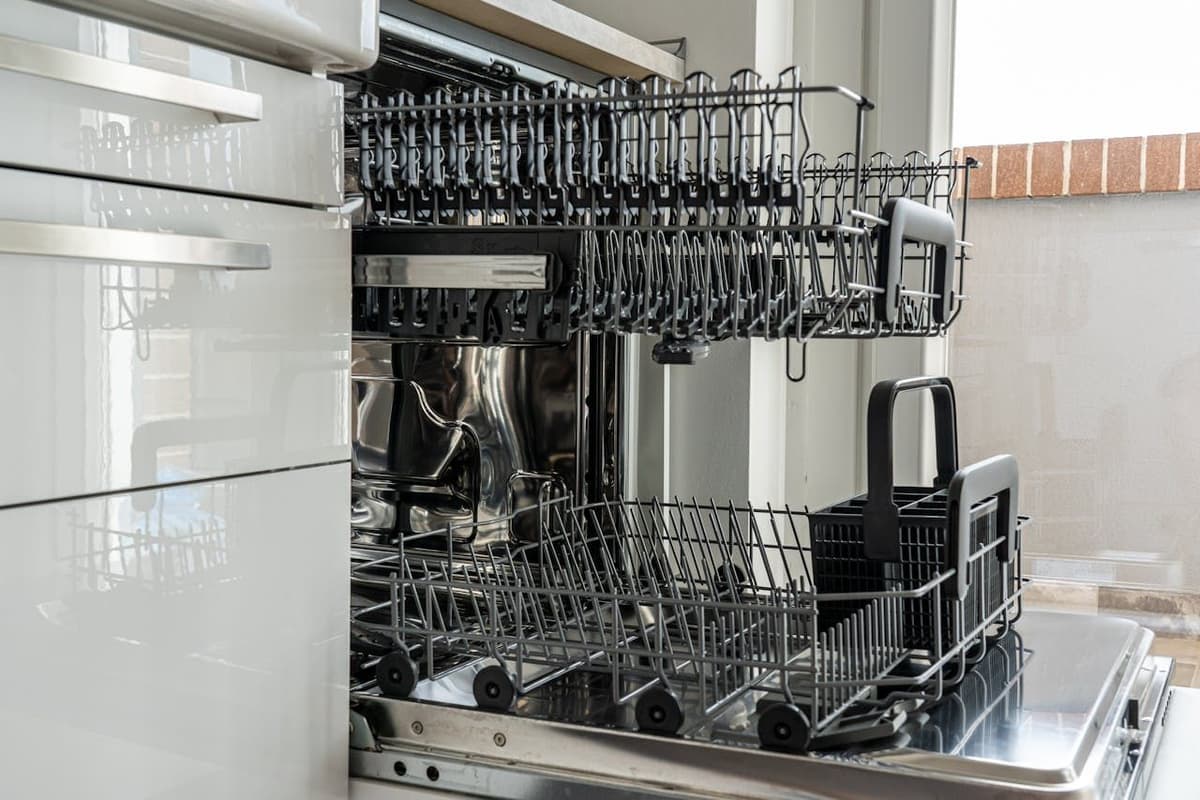
Your dishwasher is a true household hero, tirelessly tackling dirty dishes day in and day out. But, like any trusty sidekick, it needs a little maintenance to keep running smoothly. Whether you’re looking to avoid unexpected breakdowns or just want to get the most out of your investment, there are plenty of ways to extend the life of your dishwasher. Let's dive into some practical and easy-to-follow tips that can help you keep your dishwasher in top shape for years to come.
1. Regularly Clean the Filter
One of the simplest yet most effective ways to maintain your dishwasher is by cleaning its filter. The filter catches food particles and debris, preventing them from recirculating and redepositing on your dishes. Over time, this filter can get clogged, reducing your dishwasher's efficiency and potentially causing unpleasant odors.
To clean the filter:
Locate it at the bottom of your dishwasher. It usually twists out easily. You might have to refer to your dishwasher’s manual to find the exact location and removal method.
Rinse it under running water, using a soft brush to remove stubborn particles. Make sure you remove all visible debris. You can also soak the filter in warm, soapy water for a few minutes for a deeper clean.
Reassemble and replace it securely. Ensure it fits back properly to avoid any damage during the next wash cycle.
2. Inspect and Clean the Spray Arms
The spray arms are responsible for distributing water throughout the dishwasher, ensuring your dishes come out sparkling clean. Over time, these arms can get clogged with debris, reducing their effectiveness.
To keep the spray arms in tip-top shape:
Remove the spray arms from the dishwasher (check your manual for specific instructions). They usually have a locking mechanism that you can unscrew or unlock.
Rinse them under water, using a toothpick or small brush to clear any blockages from the holes. Ensure all holes are free from debris as this can greatly impact the washing efficiency.
Reattach the spray arms, making sure they can spin freely. A freely rotating spray arm ensures that water reaches all areas of the dishwasher.
3. Run Hot Water Before Starting the Dishwasher
Starting your dishwasher with hot water can improve its cleaning performance. Running your kitchen faucet until the water is hot ensures the dishwasher starts its cycle with hot water, which is more effective at breaking down grease and food particles.
Why it matters:
Efficiency: Hot water starts cleaning immediately, improving overall wash results.
Energy Saving: It reduces the need for the dishwasher to heat the water extensively, saving energy in the process.
4. Use the Right Detergent
Using a high-quality detergent can make a significant difference in your dishwasher's performance and longevity. Avoid using regular dish soap, as it can create too many suds and damage your machine. Opt for dishwasher-specific detergents, and consider using a rinse aid to help prevent spots and residue on your dishes.
Tips for detergent use:
Powder vs. Liquid vs. Pods: Powder and pods generally perform better than liquid detergents. Pods are convenient and pre-measured, ensuring the right amount of detergent is used.
Rinse Aid: This helps in drying and prevents water spots, especially useful if you have hard water.
5. Load Dishes Properly
How you load your dishwasher can impact its efficiency and longevity. Overloading or improperly loading the machine can block the spray arms and prevent water from reaching all your dishes.
Here are some tips for loading your dishwasher effectively:
Place larger items like pots and pans on the bottom rack, facing downward. This ensures they get the maximum water pressure and don't block smaller items.
Keep smaller items and delicate glassware on the top rack. Ensure they are secure and not prone to moving around during the wash cycle.
Ensure dishes are not nesting or blocking the spray arms. Items should not overlap too much, and there should be space for water and detergent to flow through.
6. Run Full Loads
While it might be tempting to run your dishwasher with only a few items, it’s more efficient to wait until you have a full load. Running full loads not only conserves water and energy but also reduces the wear and tear on your machine over time.
Practical advice:
Plan your meals: Try to synchronize dishwasher runs with the end of your day or after meals.
Avoid overfilling: While full loads are efficient, overfilling can block the spray arms and reduce cleaning effectiveness.
7. Regularly Use a Dishwasher Cleaner
Over time, grease, food particles, and soap scum can build up inside your dishwasher, leading to unpleasant odors and reduced efficiency. Using a dishwasher cleaner once a month can help keep the interior of your machine clean and fresh.
To use a dishwasher cleaner:
Follow the instructions on the cleaner’s packaging. Typically, you’ll need to place the cleaner in the detergent dispenser or hang it from the upper rack.
Run a cycle with an empty dishwasher. This ensures the cleaner can work throughout the machine without any obstructions.
8. Check and Maintain the Door Seal
The door seal, or gasket, is crucial for keeping water inside the dishwasher. If this seal becomes cracked or brittle, it can lead to leaks and reduced cleaning performance.
To maintain the door seal:
Regularly inspect the gasket for any signs of wear or damage. Look for cracks, brittleness, or mold.
Clean the gasket with a damp cloth to remove any food particles or debris. Use a mild soap if necessary.
Replace the gasket if you notice any cracks or deterioration. Check your manual for the correct replacement procedure or call a professional.
9. Avoid Overusing the Rinse Cycle
While the rinse cycle can be handy for keeping dishes moist until you’re ready to run a full load, overusing it can lead to unnecessary wear and tear. Try to limit your use of the rinse cycle and instead wait to run a full load whenever possible.
Why it matters:
Saves water and energy: Each rinse cycle uses water and energy, contributing to wear and tear.
Prevents buildup: Continuous rinsing without washing can cause a buildup of residue.
10. Adjust Water Softener Settings
If your home has hard water, it can lead to mineral buildup inside your dishwasher. Many dishwashers come with adjustable water softener settings to combat this issue. Check your dishwasher’s manual to see if your model has this feature and adjust it according to your water hardness level.
Practical advice:
Test your water: Use a water hardness test kit to determine the level of hardness in your water.
Set the softener accordingly: Follow your dishwasher’s manual for setting adjustments.
11. Inspect Hoses and Connections
Regularly inspecting the hoses and connections for any signs of wear or leaks can prevent more significant problems down the line. Look for cracks, bulges, or signs of water damage and replace any worn components as needed.
Inspection tips:
Look under the sink: Check the water supply line and connections to the dishwasher.
Check the drain hose: Ensure it’s properly connected and free from kinks.
12. Avoid Using Your Dishwasher During Peak Energy Hours
Running your dishwasher during off-peak energy hours can reduce strain on the electrical grid and potentially save you money on your energy bill. Check with your local utility company to find out when off-peak hours are in your area.
Benefits:
Cost savings: Energy rates are typically lower during off-peak hours.
Reduced strain: Helps to reduce the overall strain on the energy grid.
13. Use Eco-Friendly Cycles
Many modern dishwashers come with eco-friendly or energy-saving cycles designed to use less water and energy. Using these cycles regularly can help reduce wear and tear on your machine and lower your utility bills.
Tips for eco-friendly use:
Understand your cycles: Read the manual to understand which cycles are most efficient.
Regular use: Incorporate these cycles into your regular dishwashing routine.
14. Monitor and Maintain Water Temperature
Dishwashers typically perform best when the water temperature is between 120°F and 150°F. If your water heater is set too low, your dishwasher might struggle to clean effectively. Check your water heater settings and adjust if necessary to ensure optimal performance.
Steps to take:
Measure the temperature: Use a thermometer to check the water temperature at the kitchen sink.
Adjust the heater: If needed, increase the temperature setting on your water heater.
15. Keep the Exterior Clean
While the interior of your dishwasher does most of the work, keeping the exterior clean is also important. Regularly wipe down the door, control panel, and handle with a damp cloth to remove fingerprints, smudges, and food residue.
Cleaning tips:
Use mild cleaners: Avoid harsh chemicals that can damage the finish.
Regular maintenance: A quick wipe-down after each use can prevent buildup.
16. Don't Ignore Error Codes
Modern dishwashers often have built-in diagnostics that can alert you to potential issues. If your dishwasher displays an error code, refer to the manual to understand what it means and take appropriate action. Addressing problems early can prevent more severe damage and costly repairs.
What to do:
Refer to the manual: Look up the error code and follow the troubleshooting steps.
Seek help: If you can’t resolve the issue, contact a professional technician.
17. Use the Dishwasher Correctly
Using your dishwasher correctly can prevent many common issues and ensure it operates efficiently. Here are some tips for proper usage:
Scrape, don’t rinse: Scrape off large food particles before loading dishes, but avoid pre-rinsing. Modern dishwashers are designed to handle a bit of residue, and pre-rinsing can waste water.
Avoid overcrowding: Ensure dishes are not touching or overlapping. Proper spacing allows water and detergent to reach all surfaces.
Use the appropriate cycle: Choose the right wash cycle based on the load. Heavier loads might require a more intense cycle, while lightly soiled dishes can be cleaned with an eco-friendly or quick wash cycle.
Add detergent correctly: Follow the manufacturer's recommendations for the amount of detergent. Using too much can lead to residue, while too little can result in poorly cleaned dishes.
Check for obstructions: Before starting a cycle, ensure nothing is blocking the spray arms, detergent dispenser, or any sensors inside the dishwasher.