

Black mold is not just an unsightly nuisance; it’s also a potential health hazard. Whether you've spotted a small patch or a larger infestation, addressing black mold promptly is crucial for maintaining a healthy home environment. This guide will walk you through the steps to identify, remove, and prevent black mold in your home.
Understanding Black Mold
Black mold, scientifically known as Stachybotrys chartarum, thrives in damp, humid conditions. It's often found in areas with poor ventilation, such as basements, bathrooms, and kitchens. This type of mold can produce mycotoxins, which may cause respiratory issues, allergic reactions, and other health problems.
Signs of Black Mold
Before diving into removal, it’s essential to identify black mold correctly. Look for:
Color and Texture: Black mold appears as black or dark green patches. It often has a slimy texture when wet and a powdery appearance when dry.
Musty Odor: A persistent, musty smell is a strong indicator of mold presence.
Health Symptoms: Unexplained coughing, sneezing, itchy eyes, and skin irritation can be signs of mold exposure.
Safety Precautions
Dealing with black mold can be risky, so safety first! Here’s how to protect yourself:
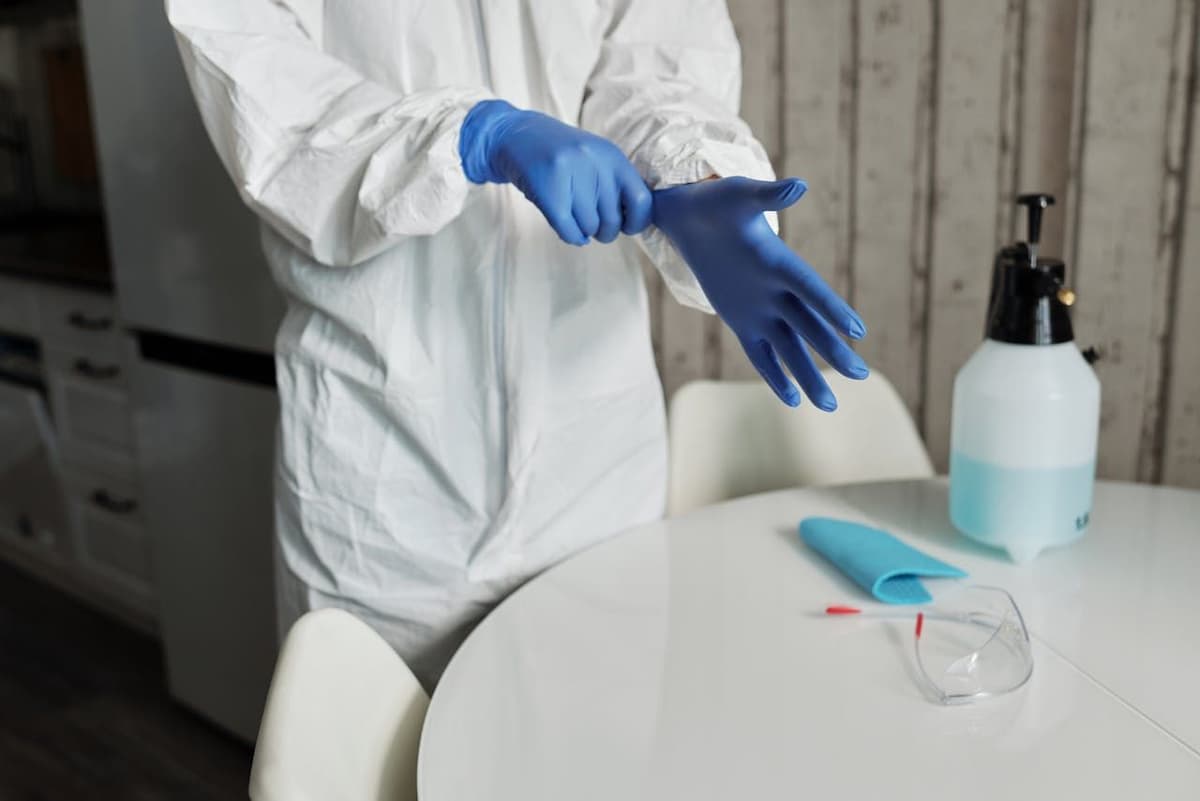
Wear Protective Gear: Use gloves, goggles, and an N95 respirator to avoid direct contact and inhalation.
Ventilate the Area: Open windows and use fans to ensure proper ventilation.
Seal the Space: Close off the affected area with plastic sheeting to prevent mold spores from spreading.
Tools and Materials Needed
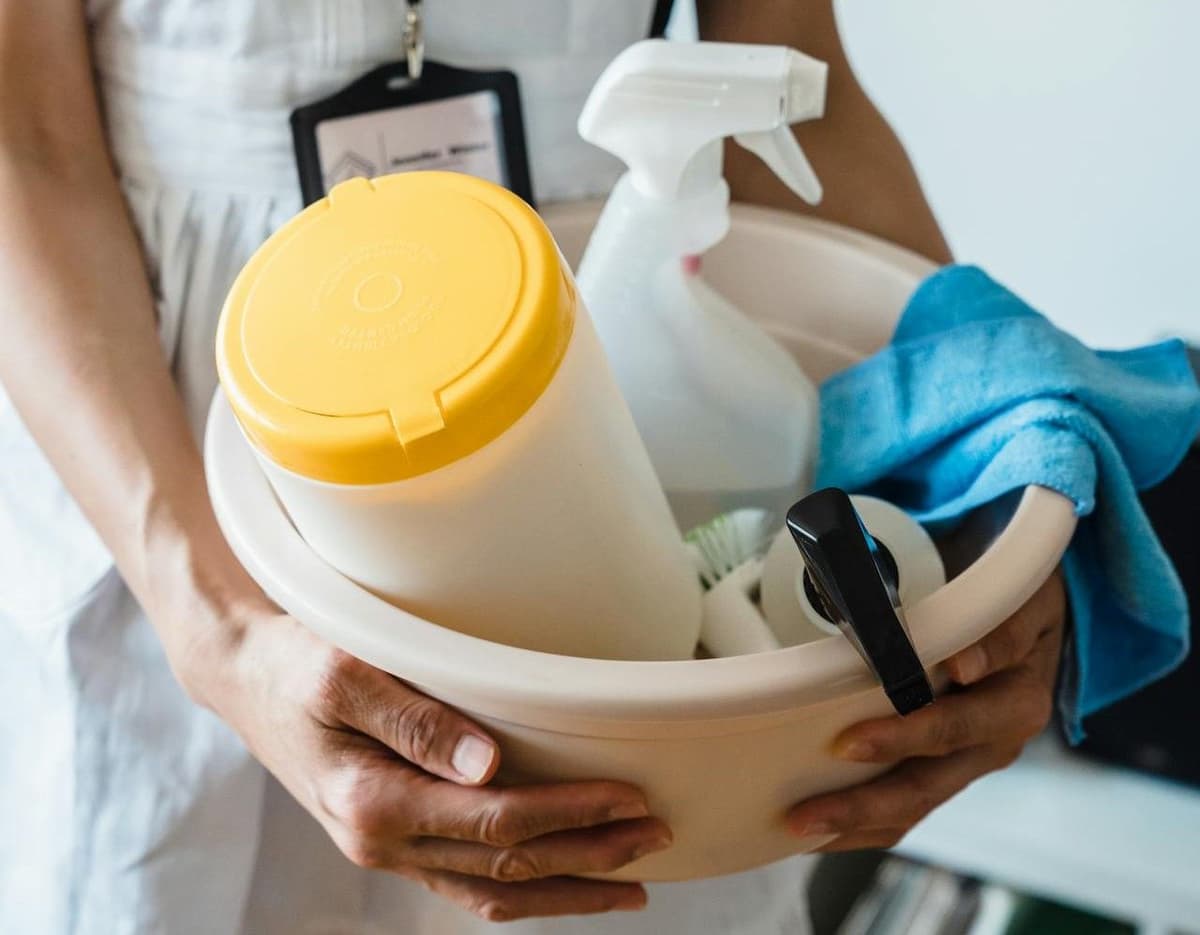
Gather the following items before you start:
Rubber gloves
N95 respirator
Safety goggles
Plastic sheeting and tape
Scrub brush
Sponge
Spray bottle
Buckets
Detergent
Bleach or commercial mold remover
Vinegar and baking soda (optional)
Dehumidifier (optional)
Step-by-Step Mold Removal
Assess the Damage
Inspect the affected area to determine the extent of the mold growth. For extensive infestations, consider hiring a professional mold remediation service.Prepare the Area
Seal the room with plastic sheeting to contain mold spores. Ensure the space is well-ventilated by opening windows and using fans.Remove Contaminated Materials
Remove and dispose of porous materials like drywall, carpet, and insulation if they are heavily infested. Seal them in plastic bags before discarding.Clean Non-Porous Surfaces
For surfaces like tiles, glass, and metal, scrub the mold with a mixture of detergent and water using a scrub brush. Rinse with clean water and dry thoroughly.Disinfect the Area
Spray the cleaned area with a solution of one cup of bleach to one gallon of water. Allow it to sit for 15 minutes, then rinse and dry. Alternatively, you can use a commercial mold remover.Use Natural Cleaners
If you prefer natural solutions, follow these steps:Vinegar Solution: Fill a spray bottle with undiluted white vinegar. Spray the affected area and let it sit for one hour. Afterward, scrub the area with a brush, rinse with water, and dry thoroughly.
Baking Soda Paste: Mix one-quarter tablespoon of baking soda with water to form a paste. Apply the paste to the moldy area, let it sit for 10 minutes, scrub with a brush, rinse with water, and dry thoroughly.
Dry the Area Completely
Use fans and a dehumidifier to ensure the area is completely dry. Mold thrives in moisture, so removing any residual dampness is crucial.Inspect and Repeat
Check the area after a few days to ensure the mold hasn’t returned. Repeat the cleaning process if necessary.
Preventing Future Mold Growth
Once you've tackled the black mold, take steps to prevent its return:
Control Humidity Levels
Use a dehumidifier to keep indoor humidity below 60%. In particularly humid areas, aim for 30-50%.Improve Ventilation
Ensure proper ventilation in bathrooms, kitchens, and laundry rooms. Use exhaust fans and open windows regularly.Fix Leaks Promptly
Repair any leaks in roofs, walls, and plumbing to prevent moisture buildup.Keep Gutters Clean
Regularly clean and maintain gutters to avoid water accumulation near your home’s foundation.Monitor Damp Areas
Regularly inspect areas prone to dampness, such as basements and crawl spaces. Use moisture barriers and insulation as needed.
When to Call a Professional
While many mold issues can be handled with DIY methods, some situations require professional help:
Large Infestations: If the mold covers more than 10 square feet, it’s best to call in experts.
Persistent Health Issues: If you or your family experience ongoing health problems, seek professional remediation.
Structural Damage: If mold has caused significant damage to your home’s structure, professional assessment and repair are necessary.
FAQ
How can I tell if I have black mold in my home?
Look for black or dark green patches with a slimy or powdery texture, often accompanied by a musty odor. You might also notice unexplained health symptoms like coughing, sneezing, or itchy eyes.
Is black mold dangerous to my health?
Yes, black mold can produce mycotoxins, which may cause respiratory issues, allergic reactions, and other health problems, especially for those with existing health conditions or weakened immune systems.
Can I remove black mold myself, or do I need a professional?
Small infestations (less than 10 square feet) can often be handled with DIY methods using protective gear and proper cleaning agents. For larger areas, persistent mold, or health concerns, it’s best to hire a professional mold remediation service.
What cleaning solutions are effective against black mold?
A mixture of bleach and water (one cup of bleach to one gallon of water) is effective. Commercial mold removers and natural solutions like vinegar or a mixture of vinegar and baking soda can also be used.
How can I prevent black mold from returning?
Control humidity levels, improve ventilation, fix leaks promptly, clean gutters regularly, and monitor damp areas in your home. Using a dehumidifier and ensuring proper airflow in moisture-prone spaces can also help.
How often should I check for mold in my home?
Regularly inspect areas prone to moisture, such as bathrooms, basements, and kitchens. Monthly checks are a good practice, especially in humid climates or seasons.
Can black mold cause structural damage to my home?
Yes, if left untreated, black mold can cause significant damage to building materials like drywall, wood, and insulation, compromising your home’s structural integrity.
What should I do if I find black mold in my HVAC system?
Turn off the system immediately and avoid using it until the mold is professionally removed. HVAC systems can spread mold spores throughout your home, so professional cleaning and duct inspection are necessary.
Are there any health symptoms specifically linked to black mold exposure?
Common symptoms include respiratory issues (coughing, sneezing, wheezing), skin irritation, eye irritation, headaches, and fatigue. Severe exposure can lead to more serious health problems, especially in vulnerable individuals.
Can I use natural remedies to clean black mold?
Yes, white vinegar and a mixture of vinegar and baking soda are effective natural cleaners. Spray the solution on the mold, let it sit for an hour, scrub, rinse, and dry thoroughly.
How long does it take for mold to grow after water damage?
Mold can start growing within 24-48 hours after water exposure. It’s crucial to address water damage immediately and dry the area thoroughly to prevent mold growth.
Should I be concerned about mold in my rental property?
Yes, mold can affect your health and the property’s condition. Notify your landlord immediately if you discover mold. Landlords are typically responsible for addressing mold issues in rental properties.